
Favorite Fire Restoration Products For Professional Results
Equip yourself with trusted tools and materials favored by industry experts for optimal restoration outcomes.
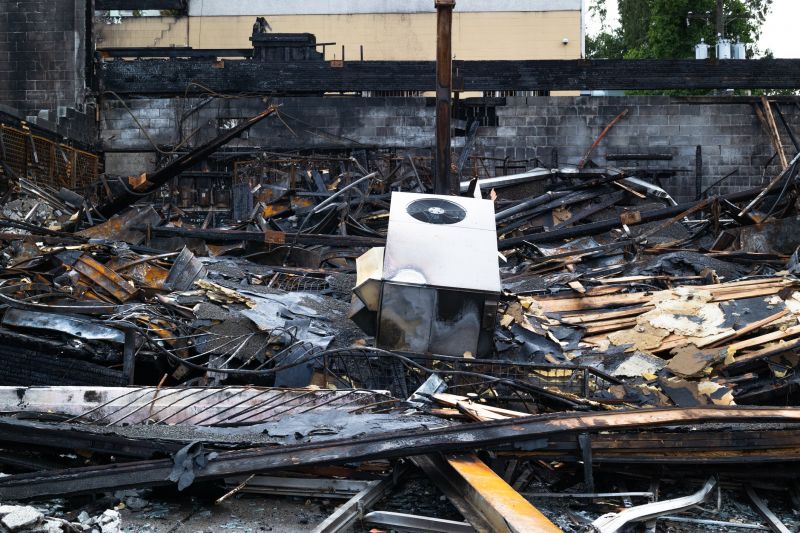 Fire restoration products are essential tools and materials used in the process of repairing and restoring properties affected by fire damage. These products help mitigate the effects of smoke, soot, and heat, while also addressing structural integrity and safety concerns. From cleaning agents to specialized equipment, a comprehensive set of fire restoration products ensures that restoration professionals and property owners can effectively manage the aftermath of fire incidents.
Top Overall Option
Comprehensive Fire Damage Restoration Kit
A well-rounded fire damage restoration kit includes a selection of cleaning agents, odor neutralizers, protective gear, and tools designed to address common fire-related issues. These kits provide a versatile starting point for professionals and DIY restorers, offering essential supplies to manage smoke, soot, and structural concerns effectively. The inclusion of multiple product variations within a single kit simplifies the restoration process and ensures that users have access to everything needed for a thorough cleanup and repair.
Types of Products For Fire Restorations
Soot and Smoke Cleaners
Specialized cleaning agents formulated to remove soot and smoke residues from various surfaces, including walls, ceilings, and furniture.
Odor Neutralizers
Products designed to eliminate persistent smoke odors from indoor environments, often using enzymatic or chemical neutralization methods.
Fire-Resistant Drywall and Insulation
Materials that help contain fires and prevent further spread, used in structural repairs and upgrades.
Sealants and Coatings
Protective layers applied to surfaces to prevent soot penetration and improve fire resistance.
Air Filtration Systems
HEPA and activated carbon filters used to improve indoor air quality during and after restoration.
Moisture Control Equipment
Dehumidifiers and moisture meters that help prevent mold growth after fire damage.
Personal Protective Equipment
Gear such as masks, gloves, and coveralls to ensure safety during restoration work.
Structural Reinforcement Materials
Steel supports, braces, and other materials used to restore the integrity of damaged structures.
Fire-Resistant Paints
Specialized coatings that improve the fire resistance of walls and ceilings.
Cleaning Cloths and Sponges
Absorbent and durable materials for manual cleaning of soot and debris.
Electrostatic Sprayers
Tools for applying disinfectants and deodorants evenly across surfaces.
Electrostatic Air Purifiers
Devices that charge particles to capture airborne soot and smoke particles.
Fire Damage Assessment Tools
Infrared cameras and moisture meters to evaluate damage extent and guide restoration efforts.
Thermal Imaging Cameras
Equipment used to detect hidden hotspots and structural issues caused by fire.
Heavy-Duty Degreasers
Powerful cleaning solutions to remove greasy soot residues from surfaces.
Structural Support Beams
Steel or reinforced wood supports used to stabilize damaged frameworks.
Fire-Resistant Sealants
Materials applied to gaps and joints to enhance fire resistance and prevent smoke infiltration.
Popular Choices
Effective solutions for neutralizing lingering smoke smells in residential and commercial spaces.
Specialized sponges designed to lift soot without smearing or spreading residues.
All-in-one sets containing essential cleaning, deodorizing, and safety supplies for fire damage repairs.
High-efficiency filters that improve indoor air quality during the cleanup process.
Devices that help control moisture levels to prevent mold growth after fire incidents.
Panels designed to enhance safety and structural integrity in fire-affected areas.
Gels that absorb and neutralize odors in enclosed spaces.
Tools for evenly applying disinfectants and deodorants on surfaces.
Personal safety gear essential for workers involved in fire restoration.
Coatings that can be applied to walls and ceilings to improve fire resistance.
Devices used to detect hidden hotspots and assess structural damage.
Cleaning solutions for removing soot and greasy residues from surfaces.
Sprays used to seal surfaces and prevent soot and smoke penetration.
Supports and reinforcements for damaged frameworks.
Sealants used for joints and gaps to enhance safety and containment.
Tools for measuring moisture levels to prevent mold growth post-restoration.
Durable cloths for manual cleaning and soot removal.
Sprays formulated to neutralize smoke odors effectively.
The restoration process often begins with assessing the extent of damage and then selecting appropriate cleaning and deodorizing products. These include heavy-duty degreasers, soot removers, and odor neutralizers designed to penetrate surfaces and eliminate stubborn smoke smells. Structural repairs may involve the use of fire-resistant materials, sealants, and insulation to reinforce compromised areas. Additionally, air filtration systems and moisture control devices are crucial in creating a safe environment for both workers and inhabitants.
Choosing the right products depends on several factors, including the severity of the fire, the types of materials affected, and the specific needs of the property. Quality and compatibility are key considerations to ensure effective restoration without causing further damage. Proper use of these products can significantly reduce the time and cost associated with fire damage repairs, helping property owners return to normalcy as efficiently as possible.
In Matthews, North Carolina, fire restoration professionals rely on a wide range of products to deliver thorough and safe repairs. Whether dealing with minor smoke stains or extensive structural damage, having access to a variety of specialized products is vital for successful restoration projects. Staying informed about the latest products and techniques can help ensure that restoration efforts meet safety standards and client expectations.
Key Buying Considerations
- Assess the extent of fire and smoke damage to determine appropriate products.
- Choose products compatible with the surfaces and materials affected.
- Prioritize safety features, such as non-toxic and non-flammable options.
- Consider the ease of application and whether specialized equipment is needed.
- Evaluate the effectiveness of odor neutralizers for persistent smoke smells.
- Check product certifications and compliance with safety standards.
- Determine if the products are suitable for professional or DIY use.
- Review user feedback and product reviews for reliability and performance.
- Ensure availability of protective gear and safety equipment for workers.
- Opt for versatile products that can address multiple issues simultaneously.
- Consider environmental conditions, such as humidity and temperature, during application.
- Plan for proper disposal of used materials and residues.
- Evaluate the scalability of products for large or small restoration projects.
- Look for products with clear instructions and support resources.
- Balance cost with quality to ensure effective and economical restoration.